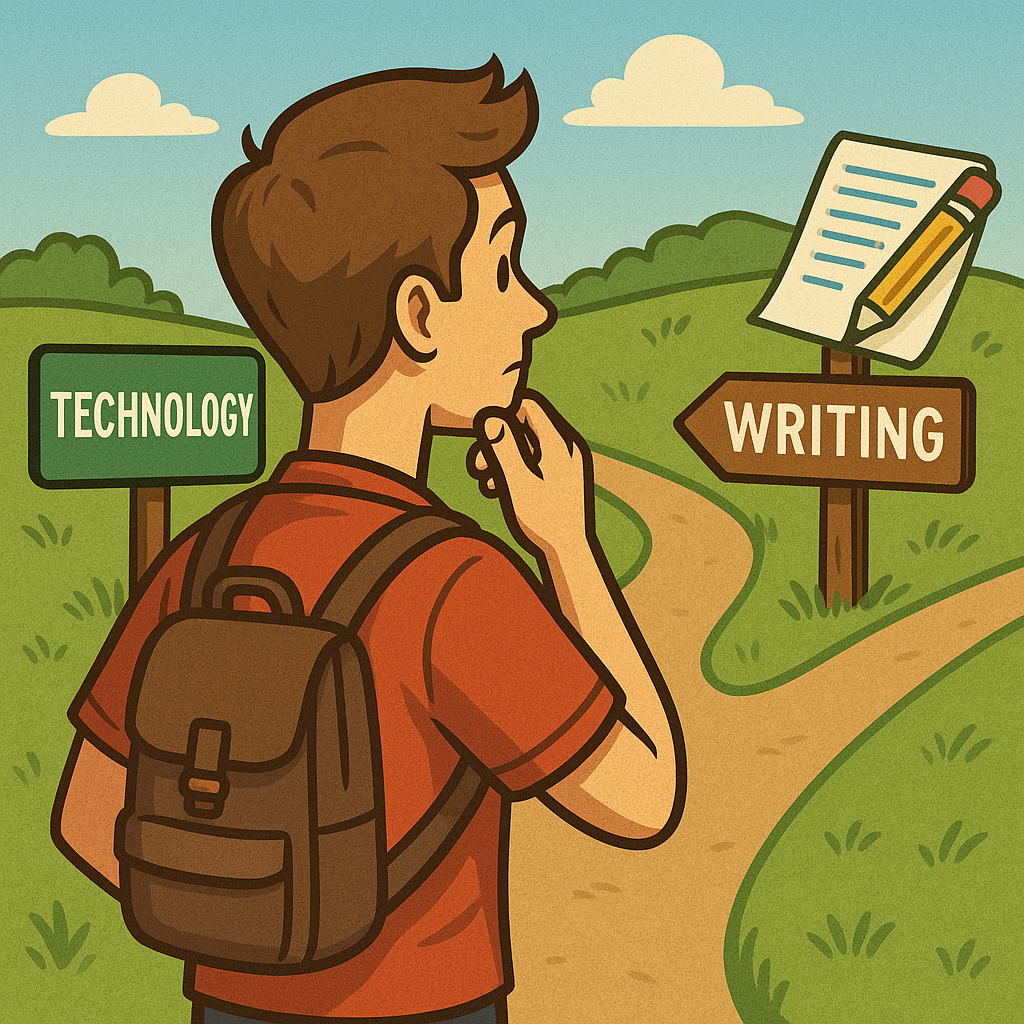
As a teenager, my career goals changed almost weekly. One week I wanted to be a stand-up comedian, the next an actor, then a filmmaker. The common thread was that I was drawn to creative pursuits. By the time I reached the end of high school, I had settled—at least temporarily—on becoming both a novelist and a screenwriter, imagining a future where I might follow in the footsteps of someone like Aaron Sorkin. My practical backup plan was to teach history so I could keep the lights on until my big break arrived.
At the last minute, I decided to stay in my hometown and attend a small university. That decision meant I needed a work-study job quickly. My options were limited: shoveling manure at the horse stable or working at the IT helpdesk.
I had grown up playing DOS-based computer games with my dad, learning how to tinker with autoexec.bat and config.sys files just to free up enough conventional memory to get a game to run. Sometimes I even made special boot disks tailored for different games. If you know what any of that means, congratulations—you are officially old, like me. Those early experiences made the helpdesk feel like the obvious choice. Air conditioning also beat muck boots by a wide margin.
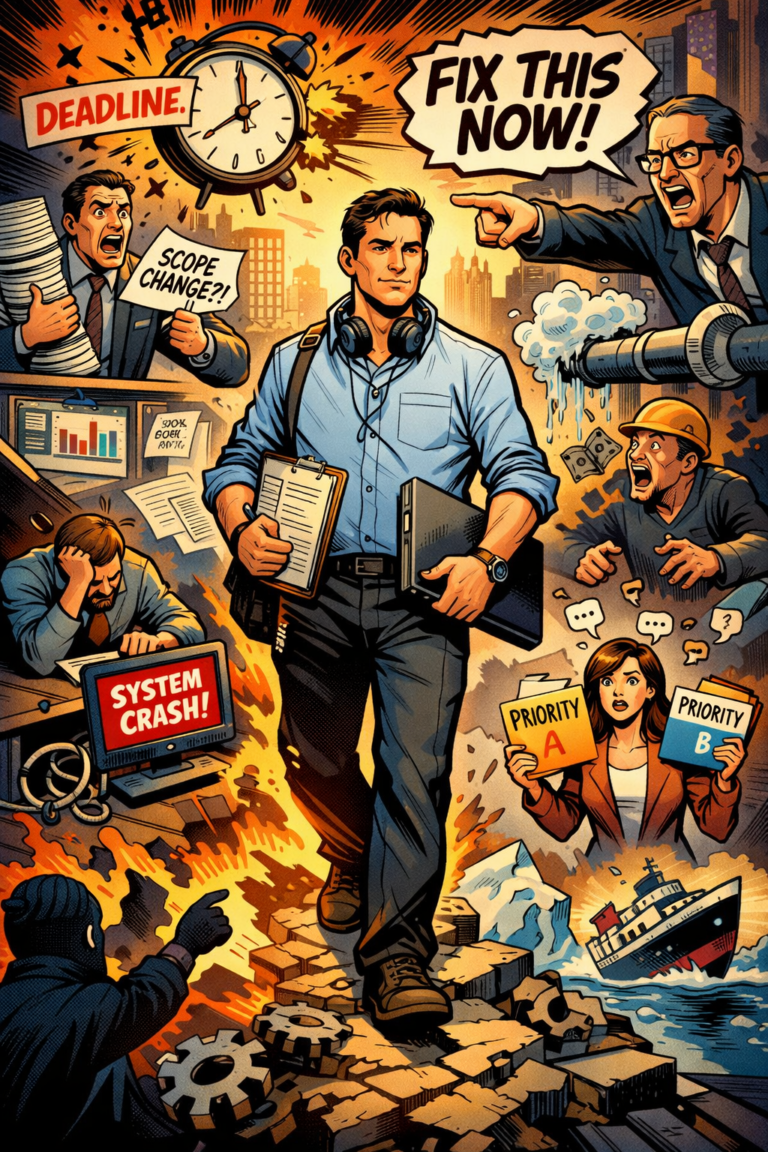
What I did not expect was how much I would enjoy the work. I discovered I had a knack for solving problems and helping people with technology. By the end of that summer, a wave of IT staff had left, and the university offered me a full-time IT manager position. The only condition was that I complete a large networking proxy project they had already invested in heavily. I agreed, and with that, my career in technology officially began.
At the time, people assured me that IT was the smart choice. It paid well, it was stable, and it was “the future.” For many years, they were right. As a science fiction fan who loved Star Trek, I knew we would eventually achieve artificial intelligence, but I assumed that milestone was decades away.
Fast forward to today, and the last three years have completely upended that timeline. The rise of large language models and other AI breakthroughs has accelerated change faster than anyone predicted. The tech job market, once seen as a safe haven, now feels less certain.
Over the years, I have seen the same pattern repeat whenever a disruptive technology arrives. There are those who fear it and resist, and those who embrace it without hesitation. The truth usually falls somewhere in the middle. Right now, we are collectively figuring out what AI means for daily life, education, culture, business, and jobs.
That is why adaptability matters more than ever. Technology will keep evolving whether we are ready or not, but being open to learning, experimenting, and finding new ways to apply our skills will always create opportunities. Minds are like parachutes. They only work when they are open.
The promise and the threat of AI are two sides of the same coin. We will not always see the pathways ahead, but they are there, waiting to be discovered. In a way, it is not so different from writing a novel or a screenplay. You start with a blank page, you adapt to unexpected twists, and you keep moving forward—trusting that with curiosity and creativity, the ending will be worth the journey.